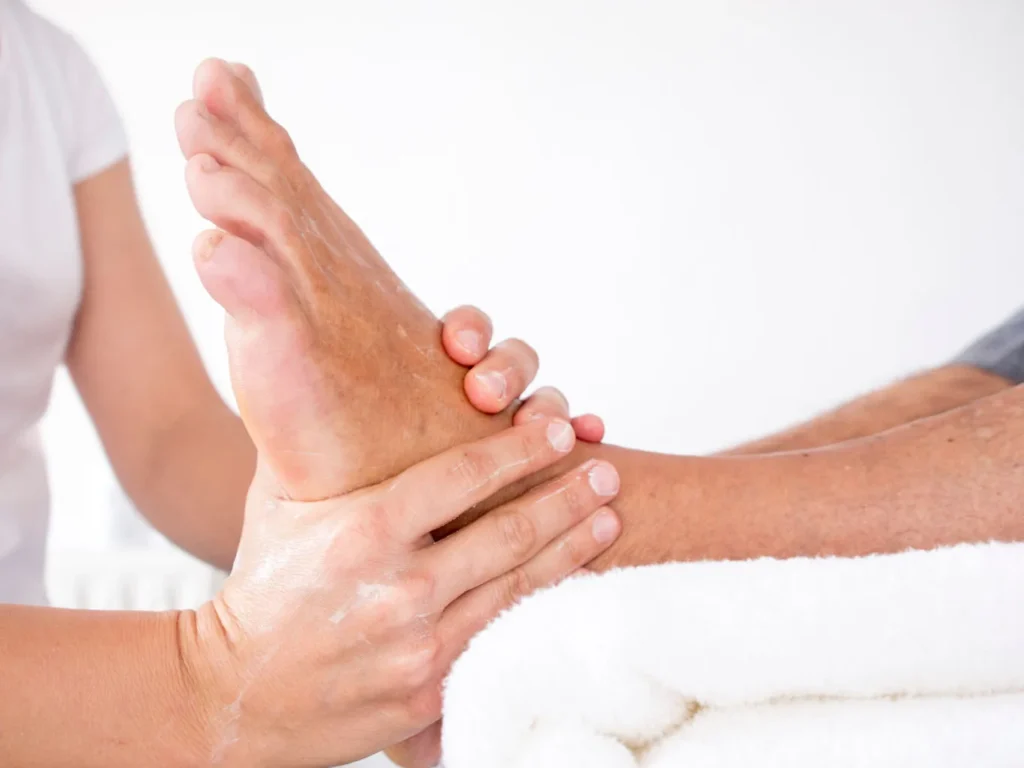


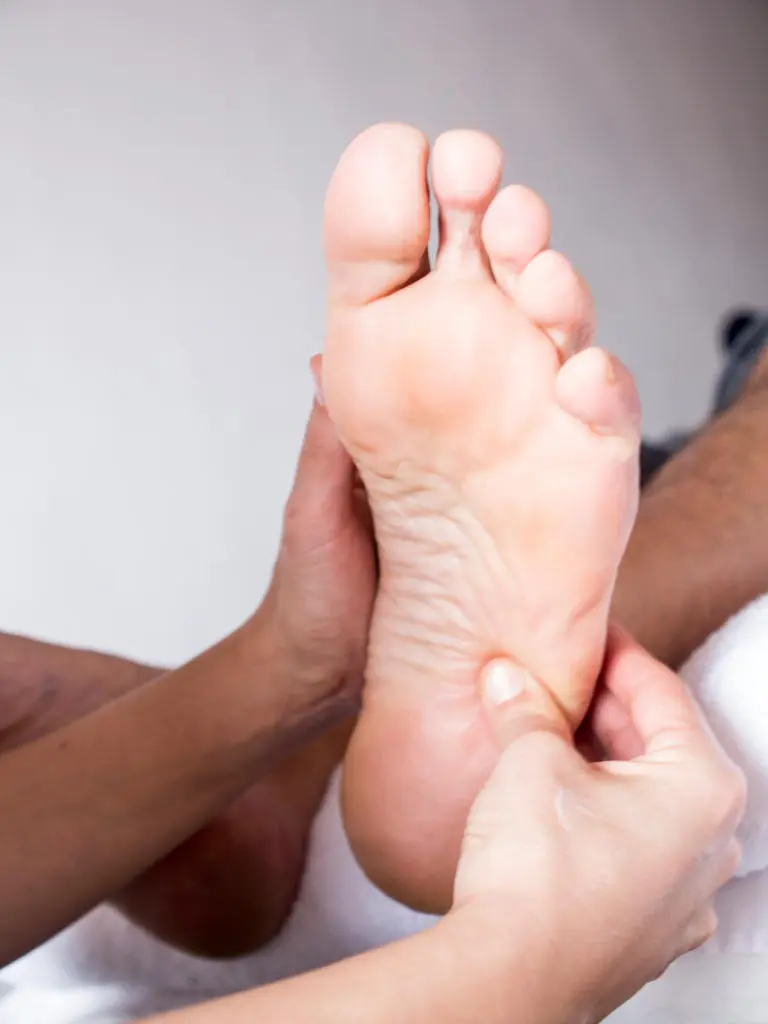
What is foot reflexology?
The foot reflexology It is a therapeutic technique of Eastern origin that has been practiced for over 5,000 years, similar to acupuncture. It is based on the idea that there are specific areas on the feet (and also on the hands and ears) that are connected to different organs, tissues, and systems of the body.
These areas are called reflective areas, Each point corresponds to a part of the body. By stimulating these points through pressure or massage, reflexology seeks to generate positive effects in the related areas, promoting balance and overall well-being.
The feet as a microsystem
In reflexology, The feet are considered a microsystem of the human body. This means that the entire organism is represented in them, both symbolically and functionally.
Each reflex zone on the feet is connected to a specific organ or body system via nerve pathways and, according to Eastern traditions, also through energy channels. For example:
- The finger area with the head and neck area.
- The arch of the foot with internal organs such as the stomach or kidneys.
- The part of the arch of the foot with the spine.
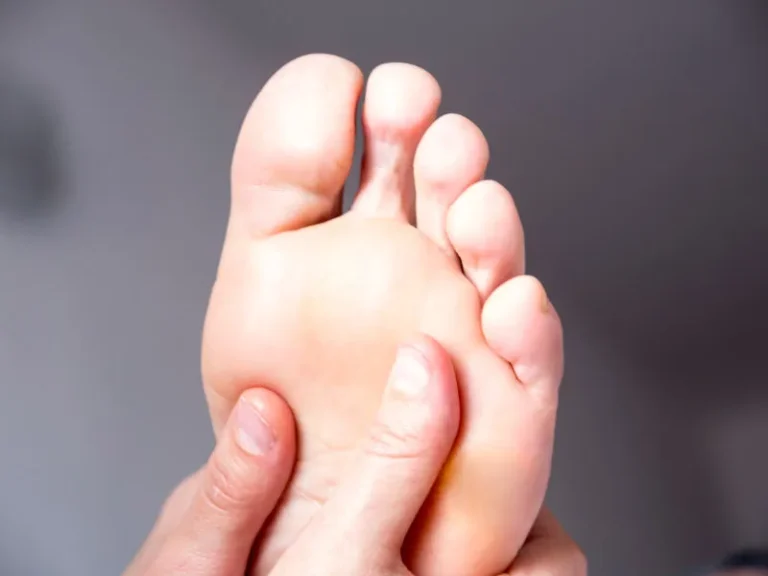
Benefits of foot reflexology: how it can help you
Reflexology has multiple applications, both preventative and therapeutic. Its main benefits include:
- Promotes deep relaxation
- It stimulates blood and nerve circulation
- It promotes the body's energy flow.
- It contributes to strengthening the immune system
Although it can be used as a tool for health prevention, It is more common to resort to it when discomfort, tension or specific symptoms appear, such as stress, muscle pain or digestive disorders.
What is a reflexology session like at Espai Deva?
A reflexology session It begins with a initial interview, The aim of this process is to get to know the person better and tailor the treatment to their needs. This first part assesses:
- The reason for the consultation (specific pain, general discomfort, stress, etc.)
- If the person has received sessions previously
- What do you hope or wish to achieve with the treatment?
- The existence of possible contraindications or situations in which applying reflexology is not recommended
Once the treatment orientation has been defined, the reflexology session begins.
It is recommended to do it in a quiet environment and, preferably, in silence, to promote relaxation and a better connection with the body.
During the session:
- The therapist stimulates different reflex zones on the feet
- Some points may be sensitive or slightly painful, especially if they are related to areas of imbalance.
- It is possible to experience sensations such as:
- Tingle
- Sleep or deep relaxation
- Yawns or sighs
- Changes in body temperature
Feel free to let us know of any discomfort during the session, so we can adjust the pressure or treatment and ensure your well-being at all times.
At the end, a few minutes of rest are allowed in the room to facilitate the integration of the treatment and allow a gradual return to daily activity.
After the session, some normal and temporary effects may appear, such as:
- Changes in sweating or urination
- Increased frequency of going to the bathroom
- Feeling tired or, on the contrary, increased energy.
- Mild headache.
It is recommended to drink more water, give the body time to integrate the treatment, and facilitate rest in the following hours.