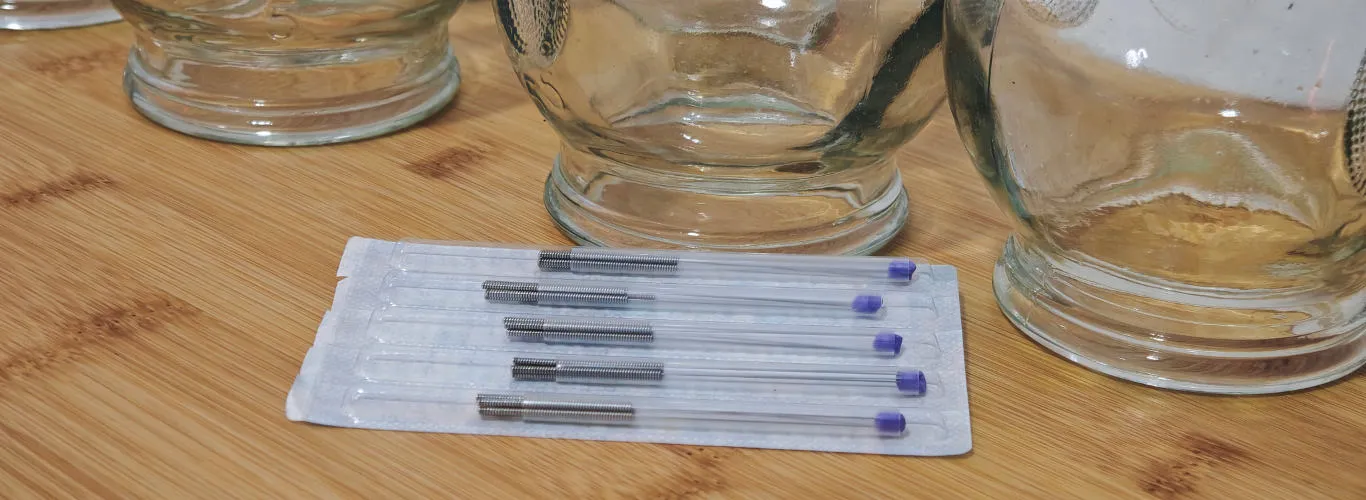
The traditional Chinese medicine It is an ancient health system that seeks to balance body, mind and vital energy through techniques such as acupuncture, herbal medicine and tuina massage, helping to prevent imbalances and promote general well-being.
Based on yin and yang and the circulation of qi, traditional Chinese medicine offers a holistic approach to health focused on restoring the body's balance.
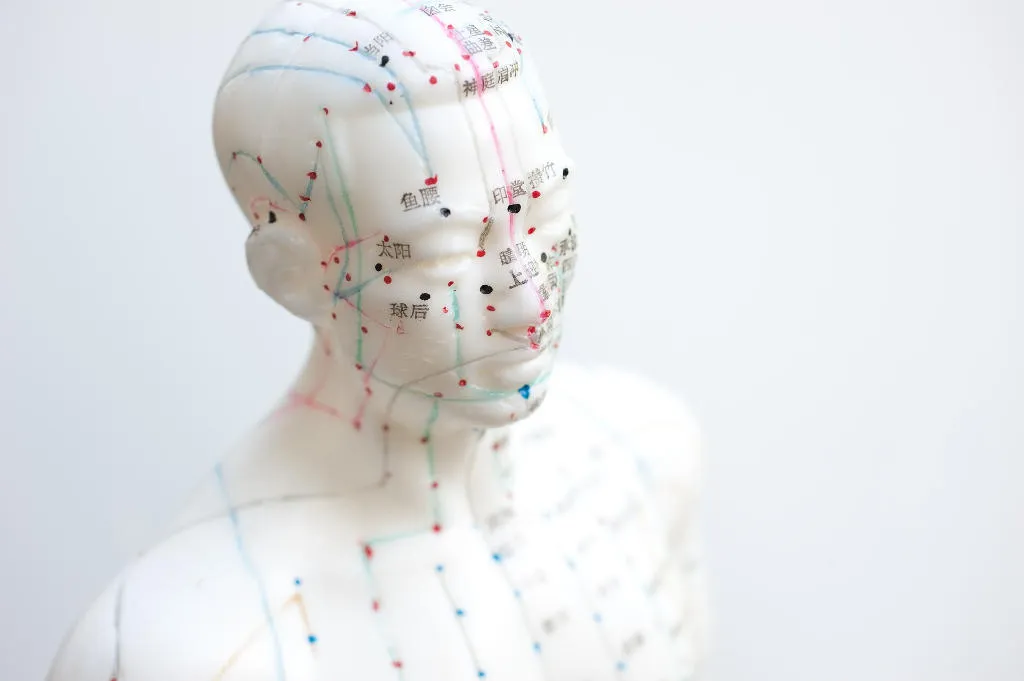
Traditional Chinese medicine uses several practices, such as:
Chronic pain (cervical, lumbar, joint), digestive problems (gastritis, irritable bowel syndrome), sleep disturbances, hormonal imbalances (premenstrual syndrome, menopause), anxiety and mild depressive states, allergies and immune problems, among others.
Traditional Chinese Medicine (TCM) does not replace medical diagnosis and treatment, but it can offer a valuable complementary perspective and support.
In traditional Chinese medicine, the number of sessions The frequency of treatment varies depending on whether the problem is acute or chronic, but there are some fairly common guidelines.
In acute cases, For conditions such as recent pain or muscle contractions, three to four sessions, performed every few days, are usually sufficient to achieve rapid improvement.
Instead, in chronic problems, For conditions like persistent pain or long-standing disorders, longer treatment periods are usually required. It's common to have one or two cycles of approximately ten sessions each. Although improvements often begin to be noticeable sooner, continuing treatment consolidates the results and achieves a longer-lasting effect.
Regarding the frequency, Initially, sessions are usually held once or twice a week. As improvement progresses, they are gradually spaced out until maintenance treatments become more occasional.
Furthermore, for the effects of the treatment to last over time, it is essential to accompany it with healthy lifestyle habits, such as getting enough rest, eating a balanced diet, and establishing daily routines that promote overall well-being.